Helping Australians move more, everyday
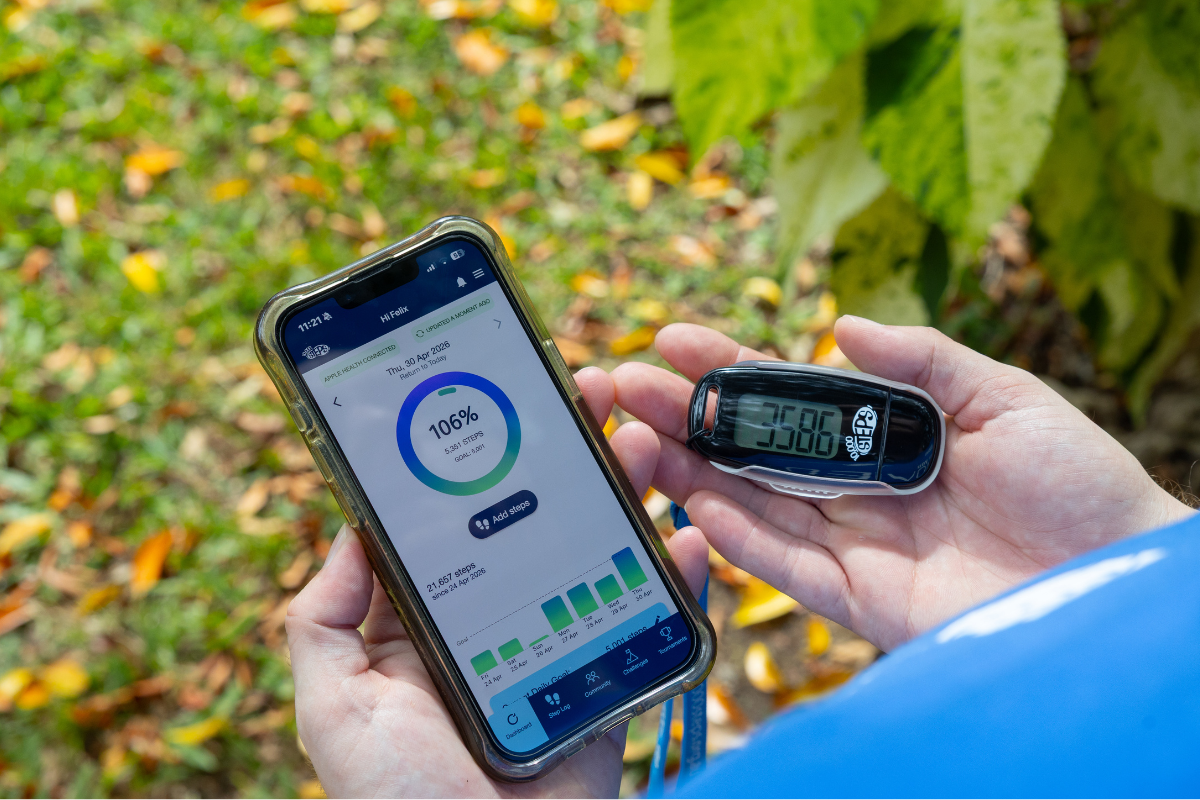
10,000 Steps is an evidence based physical activity program designed to help people build sustainable active habits and incorporate more movement into everyday life.1-3 Delivered by CQUniversity and funded through the Queensland Government by Health and Wellbeing Queensland, the Program provides digital tools, workplace initiatives and community resources that support people to monitor activity, set goals and stay motivated to be active.
Our Purpose
Physical inactivity and prolonged sedentary behaviour are recognised risk factors for poor health outcomes.¹ The Australian 24 Hour Movement Guidelines recommend that adults accumulate regular physical activity, minimise and break up sedentary behaviour, and achieve adequate sleep to support health and wellbeing.²
10,000 Steps helps individuals, workplaces and communities put these recommendations into practice through evidence based behaviour change strategies and practical tools that support people to move more and sit less.³
Recognising that physical activity is influenced by the environments in which people live, learn, work and play, the Program also supports organisations and communities to implement policies, practices and environments that make active choices easier and more accessible. This approach aligns with the Heart Foundation's Blueprint for an Active Australia, which highlights the importance of system-level action to enable active living across all sectors.4
Our goal is simple, make it easier for people to move more, more often


What We Do
10,000 Steps supports physical activity through individual behaviour change as well as organisational, environmental and policy approaches that help create supportive settings for active living.4-5
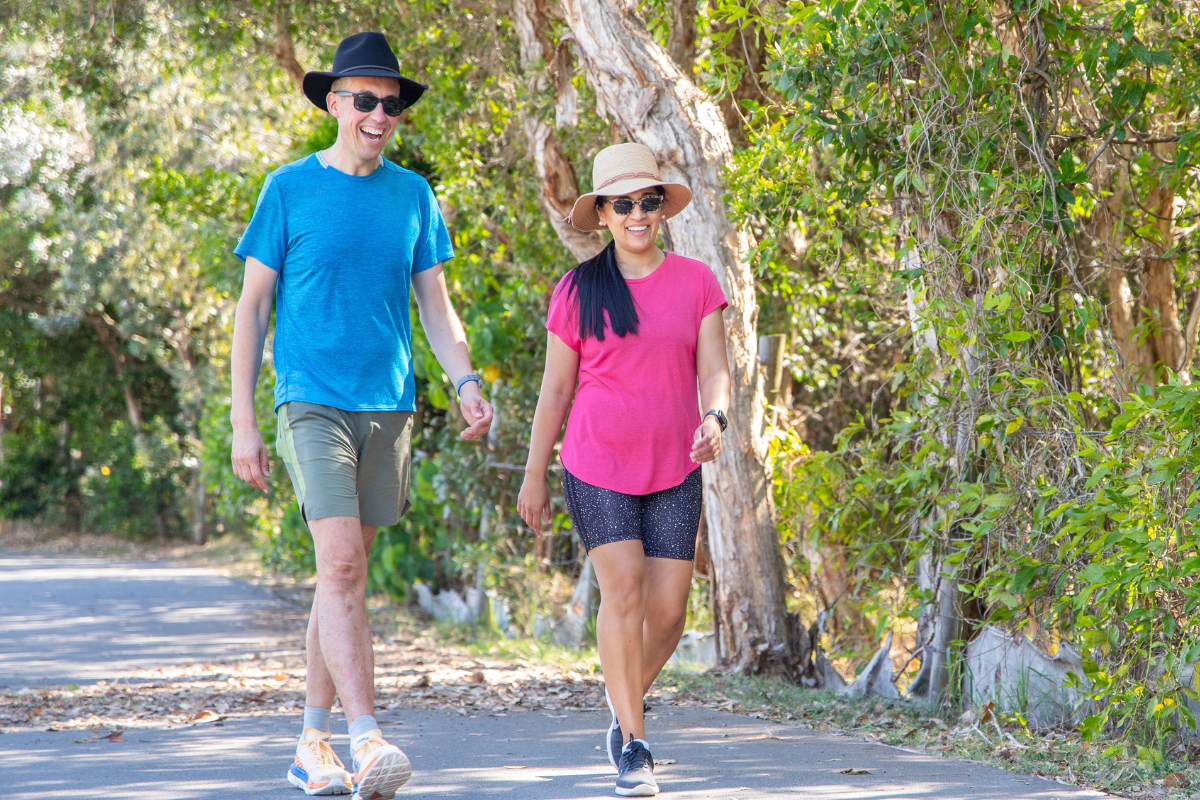
Individuals
We support individuals to:
- Build healthy and sustainable active living habits²,³
- Monitor physical activity and track progress over time³
- Set personalised goals and participate in challenges³
- Stay motivated through self monitoring, social support and accountability³
- Take practical steps towards meeting the Australian 24-Hour Movement Guidelines²
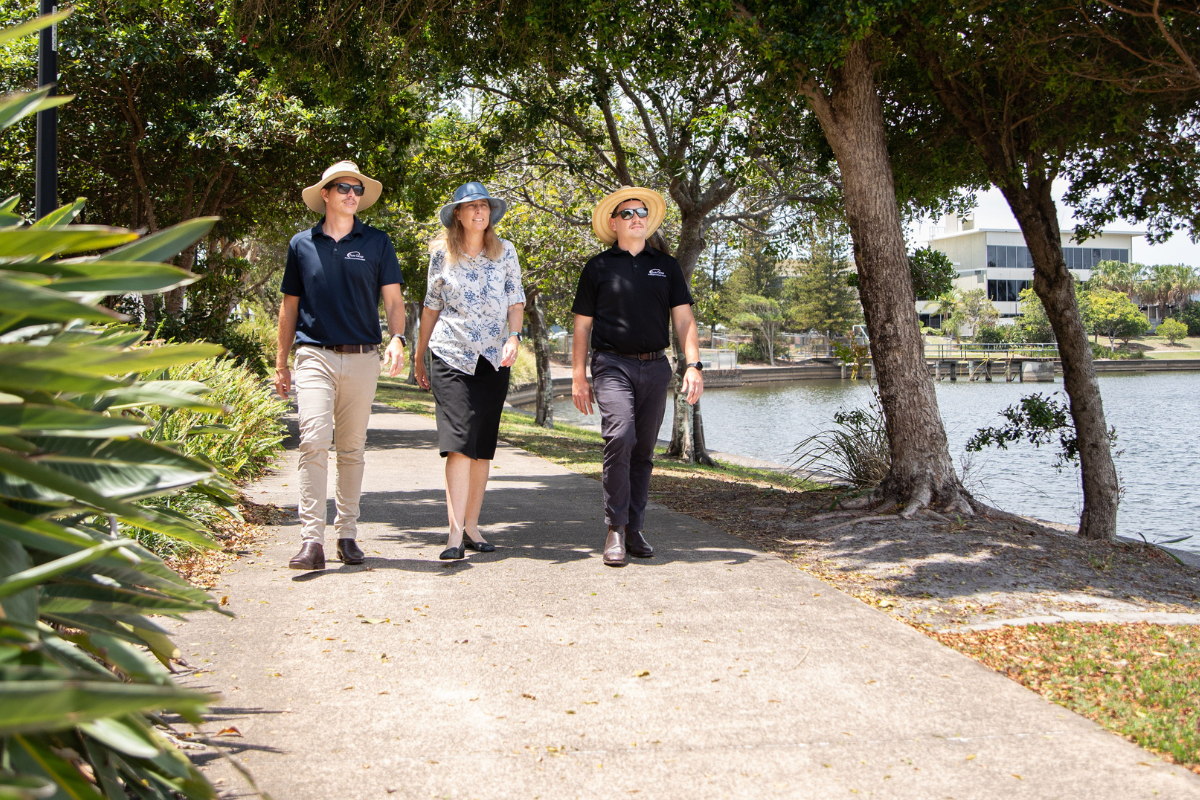
Workplaces
We support workplaces to:
- Create cultures that value and support physical activity⁴,⁵
- Deliver engaging physical activity initiatives and challenges
- Embed policies and practices that encourage movement throughout the workday⁴
- Identify opportunities within workplace environments that support active choices and reduce prolonged sitting⁴,⁵
- Build workplace capacity to support employee health and wellbeing⁴
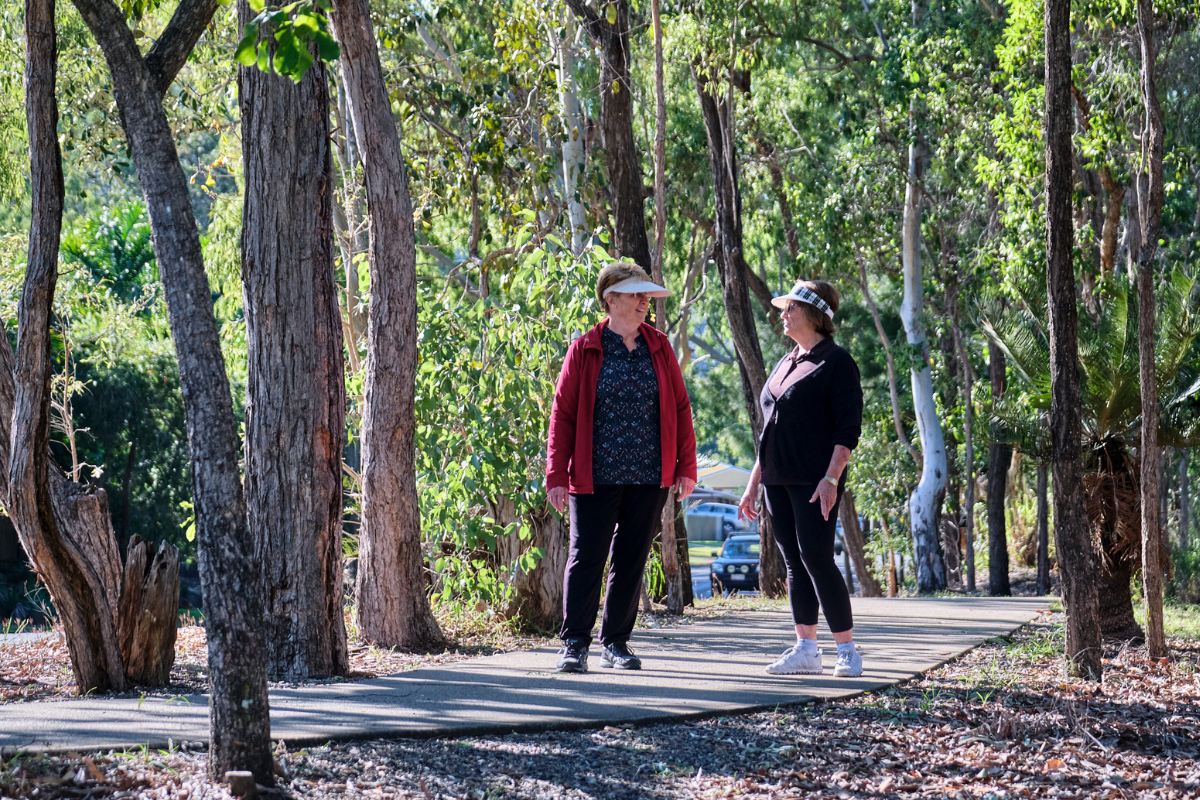
Communities
We work with community organisations, local governments, health services and community leaders to:
- Promote active lifestyles and participation opportunities
- Strengthen local environments that enable active living⁴,⁵
- Build organisational capacity for physical activity promotion⁴
- Support health professionals to encourage physical activity and connect people with local opportunities⁴
- Foster partnerships that contribute to healthier and more active communities⁴,⁵
Research and Evidence
10,000 Steps was developed through public health research and continues to evolve through ongoing evaluation and evidence generation.⁶
The Program incorporates recognised behaviour change techniques, including self monitoring, goal setting, feedback and social support, which have been shown to support physical activity behaviour change and sustained engagement.³
Ongoing evaluation demonstrates strong participant and coordinator experiences, including high levels of satisfaction and willingness to recommend the Program to others.⁶
Learn More About 10,000 Steps
Our Program

Our Team
Our Impact
Our Partners
References
- World Health Organization. WHO Guidelines on Physical Activity and Sedentary Behaviour. Geneva: World Health Organization; 2020.
- Australian Government Department of Health and Aged Care. Australian 24-Hour Movement Guidelines for Adults (18–64 years) and Older Adults (65 years and over). Canberra: Commonwealth of Australia.
- Michie S, Ashford S, Sniehotta FF, Dombrowski SU, Bishop A, French DP. A refined taxonomy of behaviour change techniques to help people change physical activity and healthy eating behaviours: The CALO-RE taxonomy. Health Psychology. 2011;30(2):147-155.
- National Heart Foundation of Australia. Blueprint for an Active Australia (4th Edition). Melbourne: Heart Foundation; 2026. Available from: https://www.heartfoundation.org.au/blueprint. [heartfound...ion.org.au], [heartfound...ion.org.au]
- World Health Organization. Global Action Plan on Physical Activity 2018–2030: More Active People for a Healthier World. Geneva: World Health Organization; 2018.
- Vandelanotte C, Duncan MJ, Plotnikoff RC, Mummery WK. The 10,000 Steps Australia Program: A community-wide eHealth physical activity promotion programme. British Journal of Sports Medicine. 2018;52(14):885-886.