Being active is essential for good mental and physical health and wellbeing. It reduces the risk of many diseases, including some cancers, and helps maintain a healthy weight. Read about how much activity adults should do each day, and how to include it in your day.

Physical activity
Adults should be active most days, preferably every day undertaking a variety of physical activities at different intensities, which can include:
- moderate- to vigorous-intensity physical activities for 30 minutes or more on most days
- muscle-strengthening activities on 2 or more days per week
- functional activities targeting mobility, balance, and coordination on 3 or more days per week
- several hours of light-intensity physical activity daily.
Sedentary behaviour
- Limiting the amount of time spent being sedentary
- Breaking up prolonged periods of sedentary behaviour as often as possible.
Sleep
- 7-9 hours of good quality sleep with consistent bed and wake up times.
Tips
Replacing sedentary behaviour with physical activity of any intensity, while obtaining sufficient sleep, can provide greater health benefits. Trading light-intensity physical activity for more moderate- to vigorous-intensity physical activity, while obtaining sufficient sleep, can also provide greater health benefits.
Some physical activities can count towards multiple recommendations. For example, walking up and down stairs contributes to both your moderate intensity activity and functional activity recommendations.
Pregnancy and physical activity
It’s important to stay active during pregnancy, for the health of both mum and bub.
Read the physical activity and sedentary behaviour recommendations for pregnancy.
Companion Statements
These companion statements provide practical guidance on how to meet the recommendations. They combine evidence-based information with good practice principles to help in applying the recommendations. While the recommendations focus on ‘what’ to do, these statements help explain ‘how’ to do it.
Physical activity
- Start by doing small amounts of physical activity, and gradually increase the frequency, intensity and/or duration over time.
- Any physical activity can be counted towards the totals.
- Tracking daily activity can be a useful way to set goals and monitor progress. This could include monitoring steps or recording time spent in different activities. For those who are able and track daily steps, aim for 7,000 or more steps per day.
Sedentary behaviour
- Replace sedentary behaviour (including recreational screen time) with any physical activity.
- Reduce or have regular breaks from prolonged periods of being sedentary.
- Standing, for those who are able, may serve as a practical transition from sedentary behaviour to more active options.
Sleep
- Allow enough time in bed for sufficient sleep. Sleep duration refers to hours of sleep attained, which is shorter than the time spent in bed.
- Good quality sleep refers to sleep that feels refreshing and minimises sleepiness during waking hours. Brief awakenings during the night are a part of normal sleep. Consistent bed/wake times will assist in achieving sufficient sleep.
Learn more
For more information about the Australian movement recommendations for adults, see:
Specific recommendations are also available for older adults, adults with disability and adults with chronic conditions.
The scientific evidence to support the recommendations is in the final report for the Australian 24‑hour movement guidelines for adults (18‑64) and older adults (65+ years).
This information is republished from the Australian Government Department of Health, Disability and Aged Care. Original content is available on the Department’s website.

Unpacking Australia’s New 24‑Hour Movement Guidelines and Daily Step Target
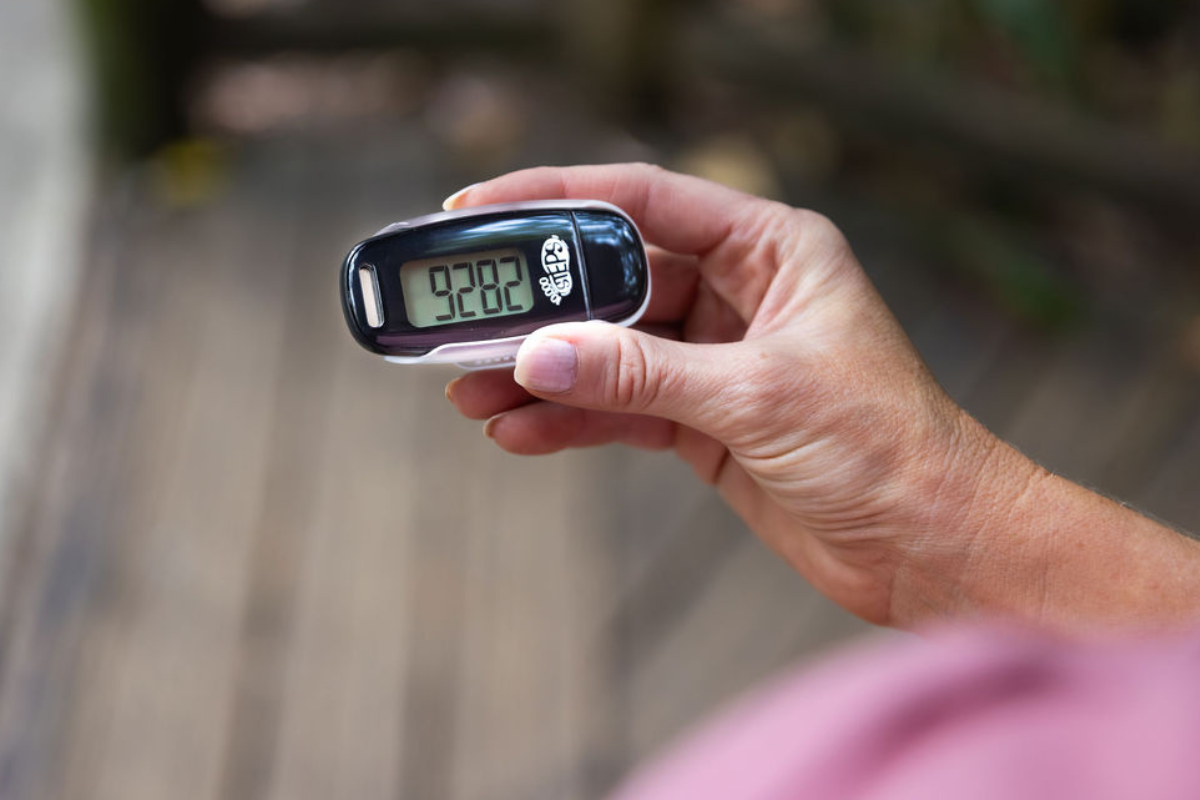
7,000 Steps a Day: What the New 24‑Hour Movement Guidelines Mean for Goal Setting