Being active is important for children and young people to grow healthy, and set good habits for life. Read about how much activity children and teenagers should do each day, limiting sitting time, and getting enough sleep.

Being active
For children and young people, being active every day has many social, emotional, intellectual and health benefits, including:
- a chance to have fun with friends and family
- reduced antisocial behaviour
- stronger cooperation and teamwork skills
- better self-esteem and confidence
- lower anxiety and stress
- better concentration
- healthy growth and development
- strong muscles and bones
- improved fitness, including coordination and movement skills
- lower risk of disease
- lower risk of unhealthy weight gain.
All children and young people should get the right mix of physical activity, inactivity and sleep in each 24-hour period.
Moderate to vigorous physical activity
We recommend children and young people do at least 60 minutes each day of moderate to vigorous physical activity that makes the heart beat faster. More is better.
It doesn’t have to be a full 60 minutes at once – several shorter sessions through the day work too.
At least 3 days per week, children and young people should incorporate vigorous activities and activities that strengthen muscle and bone in the 60 minutes.
These activities don’t have to be organised or formal, and can include:
- football
- basketball
- netball
- bike riding
- scooter riding
- swimming
- dancing.
Muscle-strengthening activity
As part of the 60 minutes of daily activity, we recommend children and young people include muscle and bone strengthening activities 3 days per week, like:
- running
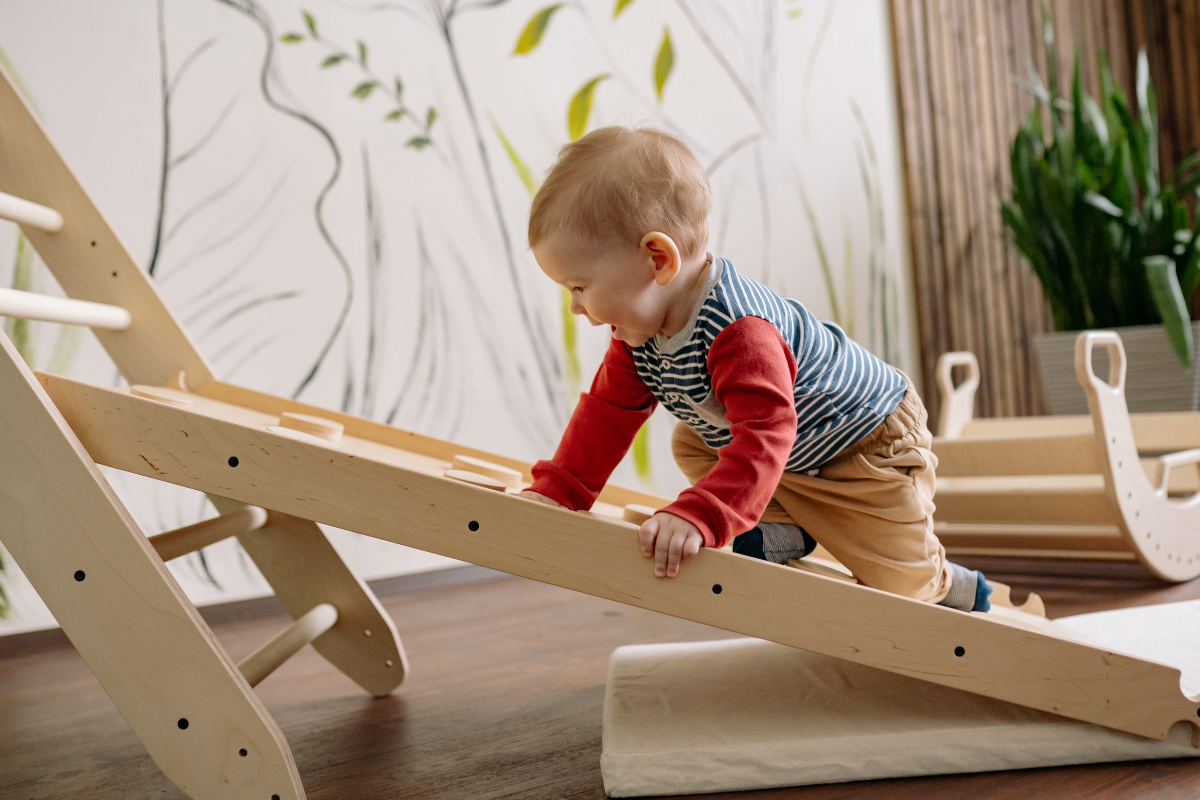
- climbing
- swinging on monkey bars
- push-ups
- sit-ups
- lifting weights
- yoga.
Light physical activity
Children and young people should also do several hours of various light physical activities each day. These can include:
- walking to school
- walking the dog
- going to the park with friends
- helping around the house
- playing handball.
Limiting time sitting
Limiting the time spent sitting or lying down (sedentary behaviour) – especially in front of screens – helps children grow and develop good habits for life.
Long periods of sitting can lessen the benefits of being physically active. So, it’s important to break these up as often as possible.
“Screen time during childhood can have long-term impacts on a child’s development. For children and young people, we recommend no more than 2 hours of sedentary recreational screen time per day. This does not include screen time needed for school work.”
Learn more
For more information about the Australian activity recommendations for children and young people, see:
- 24-hour movement guidelines for the children and young people aged 5 to 17 brochure
- movement guidelines fact sheet
- movement guidelines poster.
This information is republished from the Australian Government Department of Health, Disability and Aged Care. Original content is available on the Department’s website.
Australian 24 Hour Movement Guidelines - Recommendations for Children (0-5 Years)

Australian 24 Hour Movement Guidelines - Recommendations for Adults (18-64 Years)