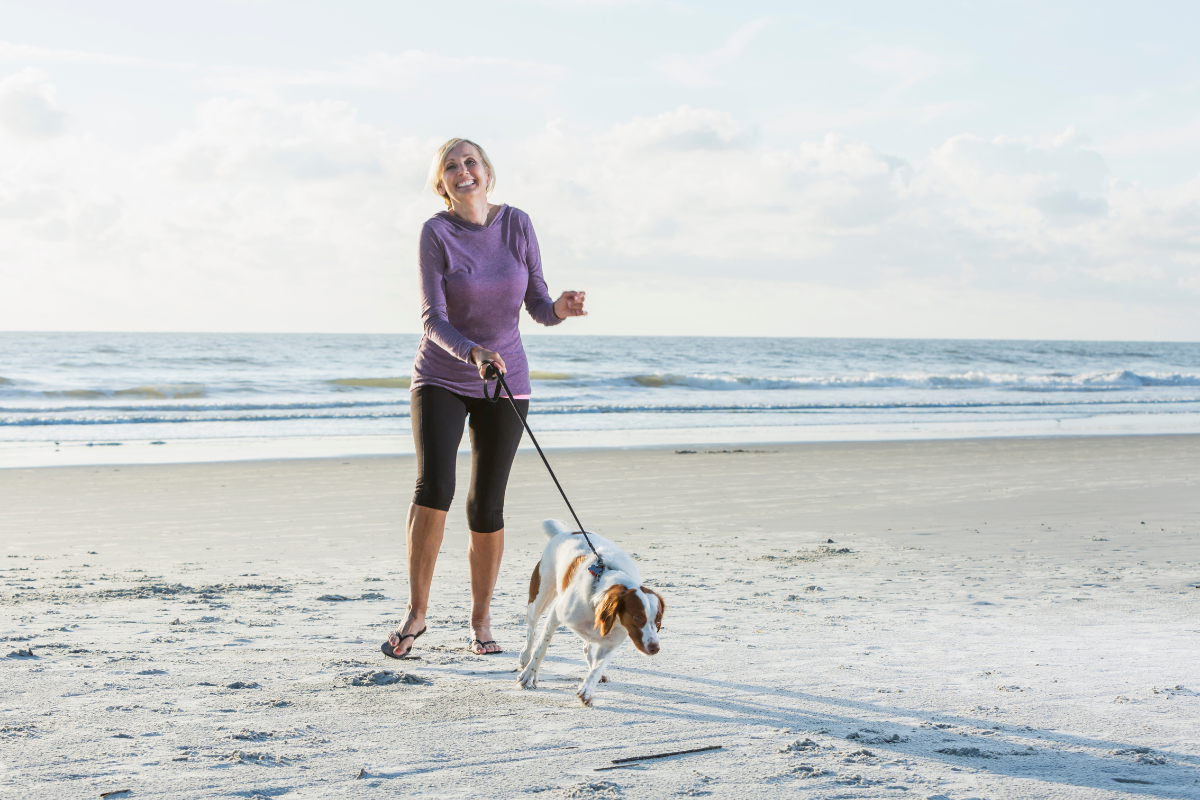
Many of us already have ways we like to be active, whether that's walking, wheeling, cycling, swimming, playing sport, gardening, or simply moving more throughout the day.
Physical activity is any movement that uses energy, and regular participation contributes to better physical and mental health, improved wellbeing, and a lower risk of many chronic health conditions (1,2).
Being active with others can make physical activity more enjoyable and help people stay motivated.
Research suggests that social support can help people become more physically active and maintain regular participation over time (3,4,5). Whether you prefer being active on your own, with a friend, or as part of a group, every movement counts.
The 2026 Move Together Challenge brought Queensland together through physical activity and social connection. You can still visit the challenge page to explore progress and resources.
1. Start With Activities You Already Do & Enjoy
One of the easiest ways to be active is to build on activities that are already part of your daily routine.
Physical activity does not need to be complicated or structured to provide health benefits (1,2). If you're not sure where to begin, try tracking your activity for a few days to understand your usual movement patterns.
This gives you somewhere to start when setting a step goal, or you may prefer an Open Goal - which focuses on building a consistent activity habit without aiming for a specific daily step target. This might include walking the dog, cycling to local destinations, swimming, gardening, playing sport, or aiming to take more movement breaks throughout the day.
One of the easiest ways to be active together is to invite others to join activities you're already doing and enjoy.
2. Movement can be Better Together
Being active with other people can be a simple way to make movement part of your day while strengthening social connections. Research suggests that social support can help people become more physically active and maintain regular participation over time (3,4,5).
Being active with others may help by:
- Providing encouragement when motivation is low (3,5).
- Creating a sense of accountability and commitment to being active (3,4).
- Making physical activity more enjoyable and social (5).
- Helping establish routines and healthy habits that can be maintained over time (3,5).
- Providing opportunities to meet new people and strengthen existing relationships (3,5).
- Helping people overcome common barriers to physical activity, such as lack of confidence or uncertainty about where to start (3,4).
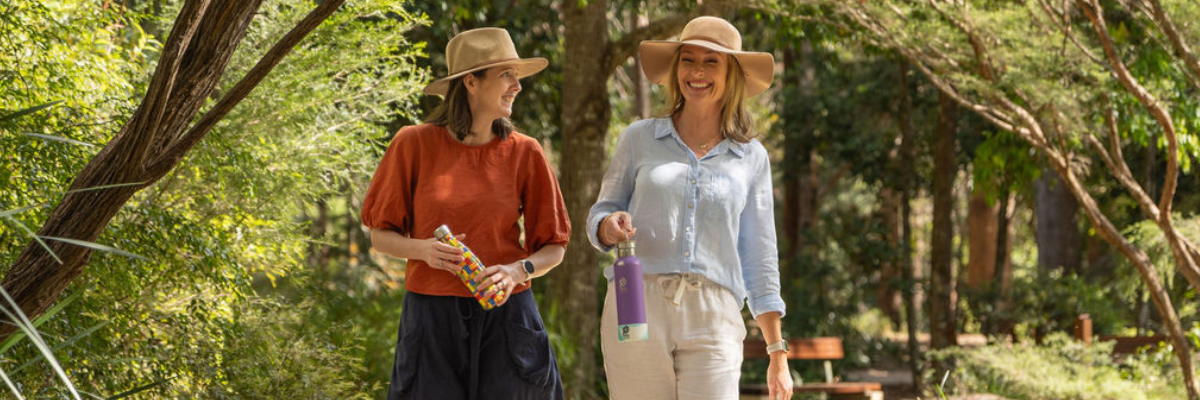
There are many ways to add social connection to activities you already enjoy. You might walk with a colleague during lunch, catch up with a friend while visiting a local park, walk the dog with a neighbour, join a local walking, running, or recreation group, or enjoy an active hobby with family and friends.
3. Explore Local Places & Active Spaces Together
Your local community can provide many opportunities to support an active lifestyle while moving together. Take a look at our Nature-based Physical Activity Directory for ideas near you.
Things you can do with others:
- Exploring local paths, routes, and accessible trails.
- Visiting parks, recreation spaces, or community facilities.
- Joining a walking, wheeling, cycling, or recreation group.
- Adding movement to social catch-ups with family and friends.
- Participating or volunteering in local community events.
- Contributing to citizen science by completing a walkability check of your local streets using the Queensland Walks Walk My Street tool.
Queensland Health advises that UV levels in Queensland are above 3 year round, making sun protection important whenever you are active outdoors (6,7). Even in winter - check the UV using the free SunSmart Global UV app), stay hydrated, seek shade where possible, and wear sun protection.
4. Activity for Every Ability
Being active together doesn't mean everyone needs to do exactly the same activity. Activities can be adapted to suit people of all ages, abilities, interests, and fitness levels (1).
You might choose to:
- Walk and wheel together.
- Go for a group bike ride.
- Swim or try aqua aerobics.
- Dance together (like nobody is watching!).
- Play a sport or active game.
- Attend a community fitness classes.
- Try an outdoor recreation activity.
- Garden or do other physical hobbies together.
While many people track their daily steps, you can also record activity in minutes, making it easier to capture a wide range of activities that don't always generate steps, such as swimming, cycling, strength training, or wheeling. Learn more about recording other activities in your Activity Log.
Wheelchair users can also convert wheeling activity into steps within the platform or some devices like an Apple Watch can be set to track pushes instead of steps. More information is available in the wheelchair users support guide.
The most important thing is finding activities you enjoy and can share with others as part of your regular routine.
5. Turn Everyday Routines into Active Opportunities
Being active does not have to be complicated.
Small opportunities to move together throughout the day can add up, provide meaningful health benefits (1,2), and help make physical activity a lasting habit.
This might include walking to get a coffee or lunch with a colleague, walking your children or grandchildren to school, or swapping a short car trip for a walk to the local shops with a family member or housemate.
Finding ways to move that suit your lifestyle, interests, and abilities can help make physical activity an enjoyable and sustainable part of your everyday life.
References
- World Health Organization. Physical Activity Fact Sheet. 2024. https://www.who.int/news-room/fact-sheets/detail/physical-activity
- Centers for Disease Control and Prevention. Health Benefits of Physical Activity for Adults. 2026. https://www.cdc.gov/physical-activity-basics/health-benefits/adults.html
- Centers for Disease Control and Prevention. Strategies for Social Supports. 2025. https://www.cdc.gov/physical-activity/php/strategies/social-supports.html
- Community Preventive Services Task Force. Physical Activity: Social Support Interventions in Community Settings. https://www.thecommunityguide.org/findings/physical-activity-social-support-interventions-community-settings.html
- National Institutes of Health. Get Active Together: Social Support Can Help Keep You Moving. 2024. https://newsinhealth.nih.gov/2024/05/get-active-together
- Queensland Health. Sun Safety in Outdoor Settings. 2025. https://www.health.qld.gov.au/public-health/industry-environment/environment-land-water/sun-safety-in-outdoor-settings
Benefits of Being Active
The Benefits of Being Active in Nature